
Find an Epoxy Floor Contractor Near You
Epoxy floor coatings for garages, basements and shops. Fill out the form for pricing.
Garages, basements, shops. One short form.
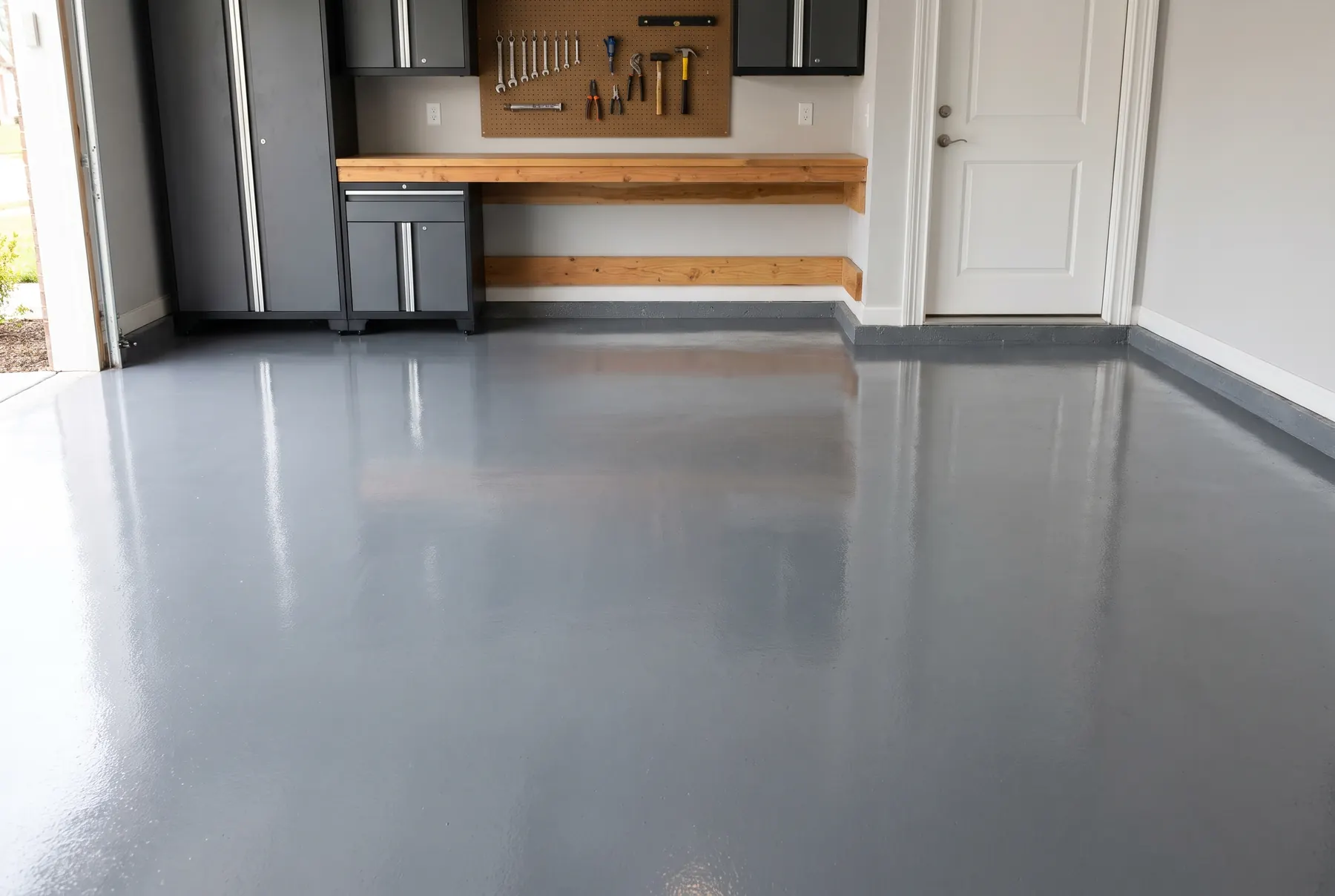
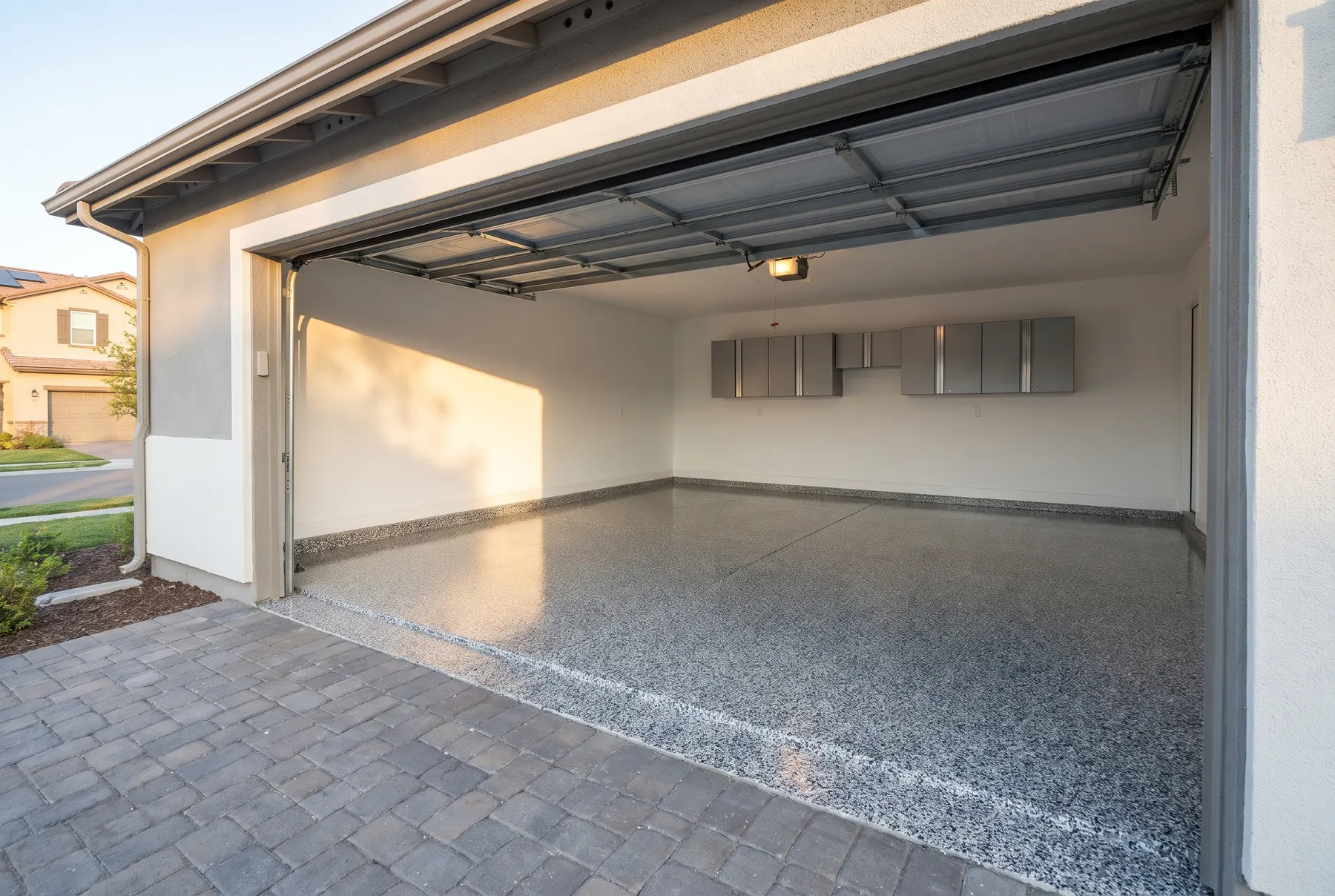
Garage floors
Flake, solid-color and polyaspartic coatings for one-, two- and three-car garages.
Get garage floor pricing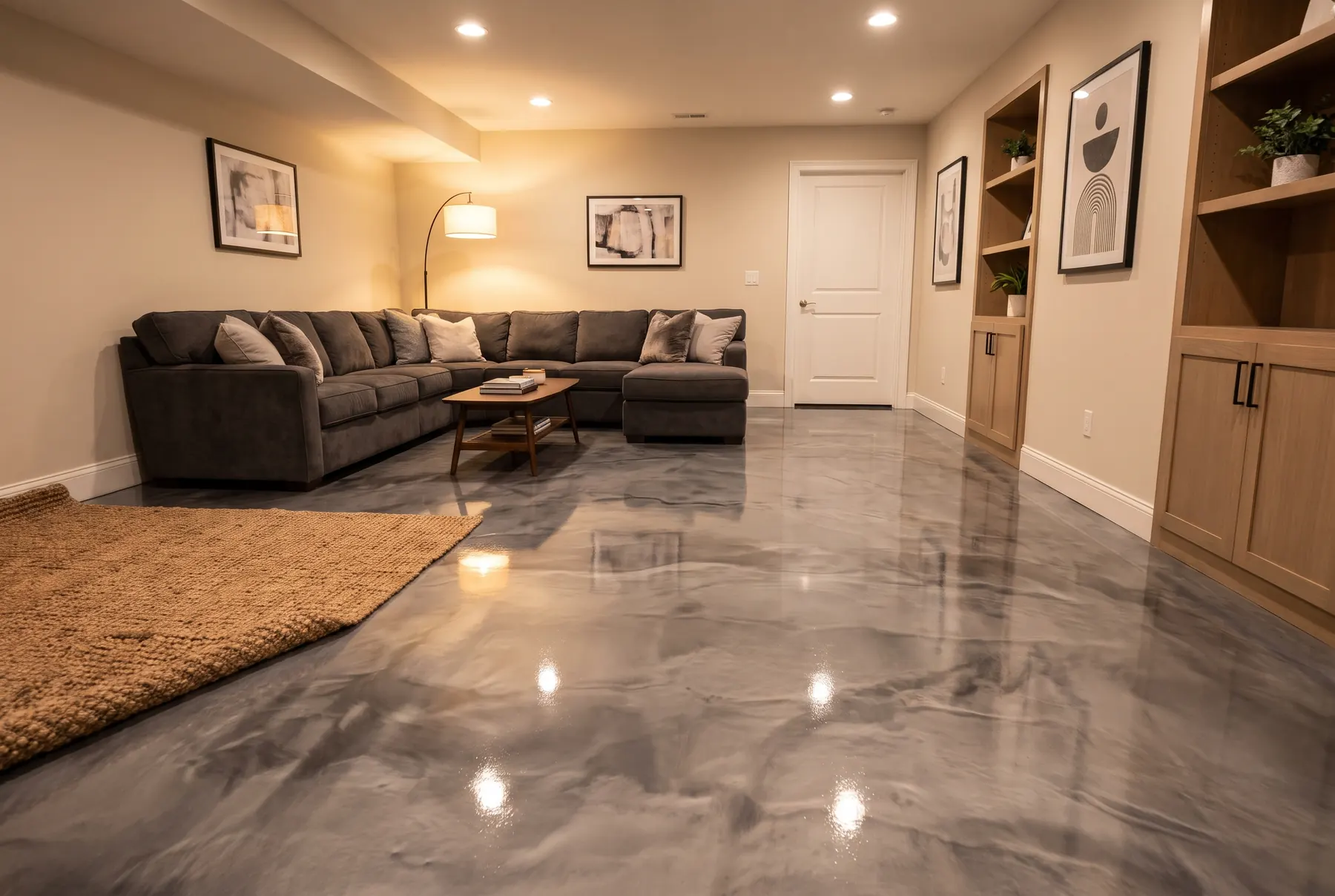
Basement floors
Metallic and solid-color epoxy for basements, rec rooms and home gyms.
Get basement pricing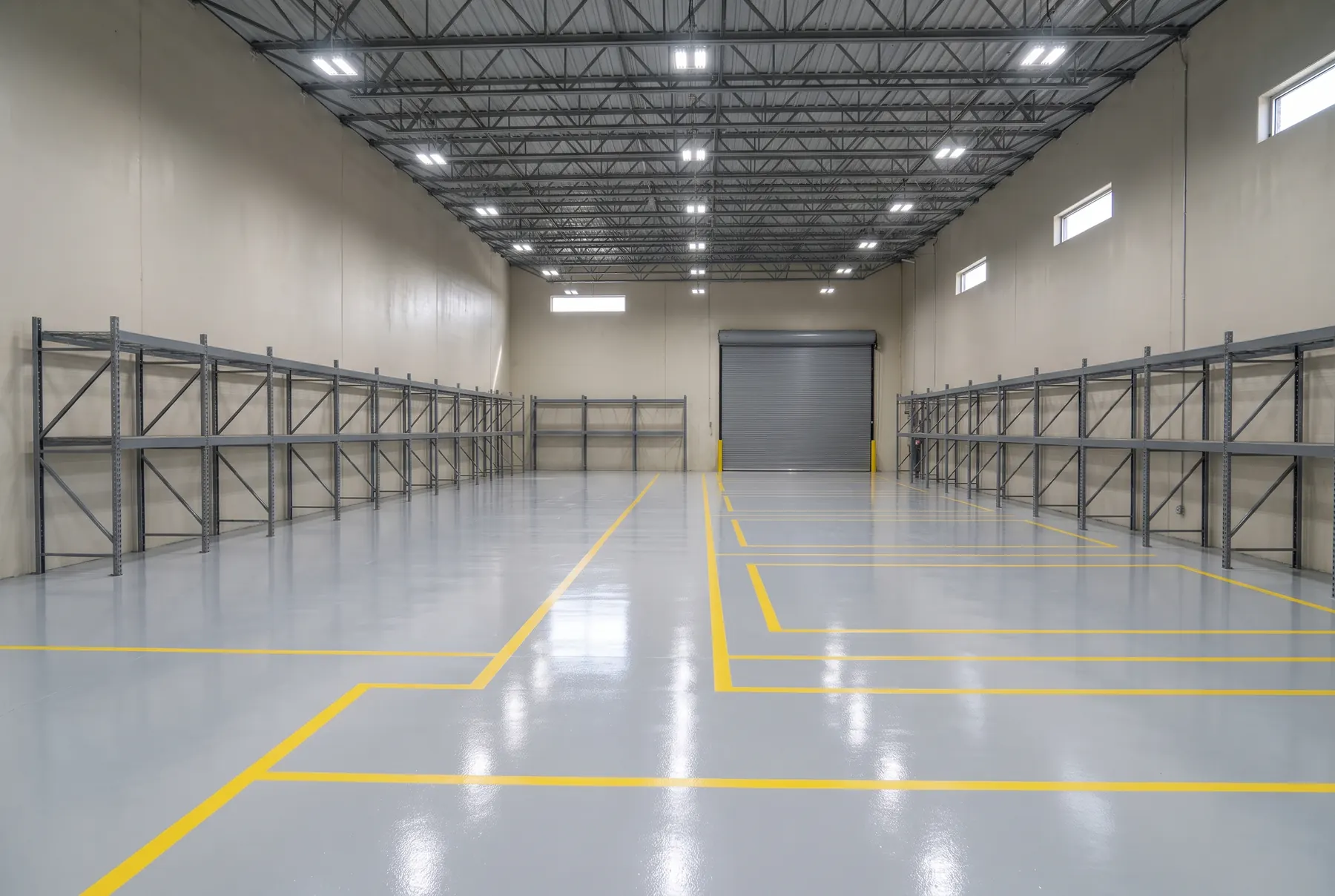
Shop and commercial floors
Solid-color epoxy with safety lines for shops, warehouses and showrooms.
Get commercial pricing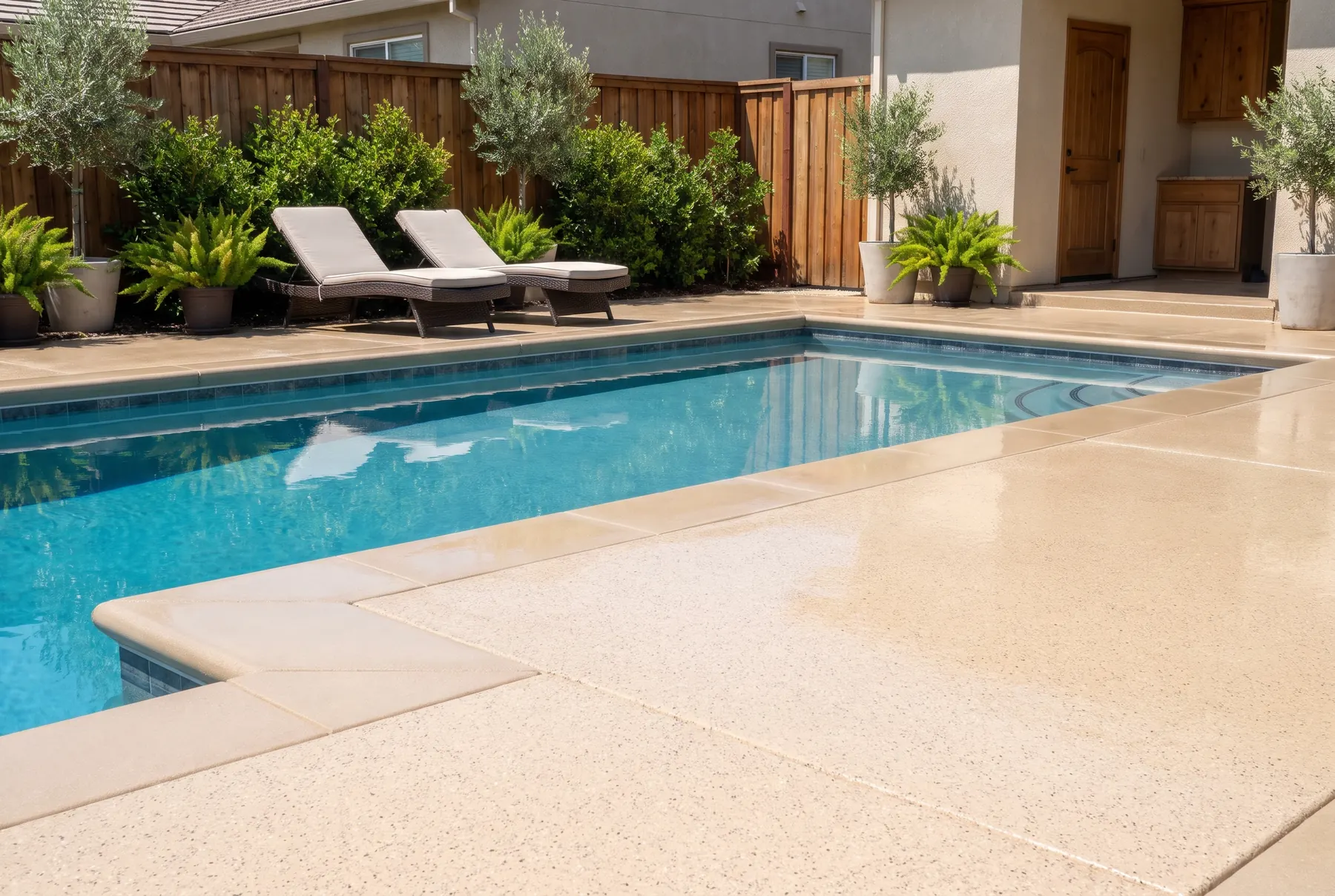
Patios and pool decks
Slip-resistant coatings for patios, porches and pool decks.
Get pool deck pricing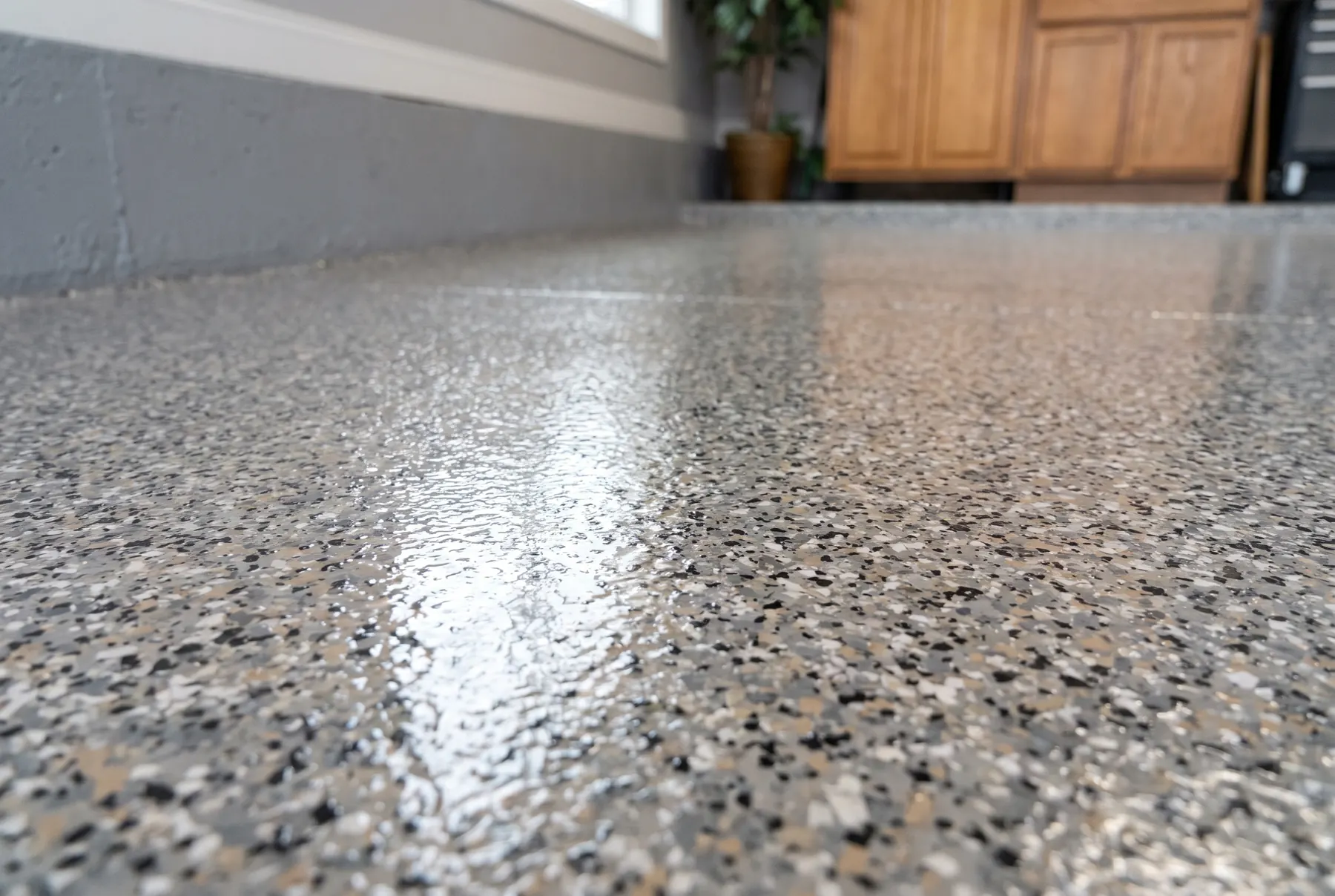
Flake floors
Full-broadcast flake floors sealed with a clear topcoat.
Get flake floor pricingAlso: metallic epoxy, polyurea and polyaspartic systems, quartz floors, recoats and coating repairs. If it’s a coated floor, send the request.
Tell us about your floor
Garage, basement, patio or shop. Fill out the form to get pricing.
- Free to use, no obligation to hire
- Your request goes to a contractor who works in your area
- They call or email you to talk through the job and price it
- The form takes about a minute
Prep, base coat, flakes, topcoat. That’s the whole idea.
Most coated floors go down in the same layers. Knowing them makes a quote easier to read.
- 1
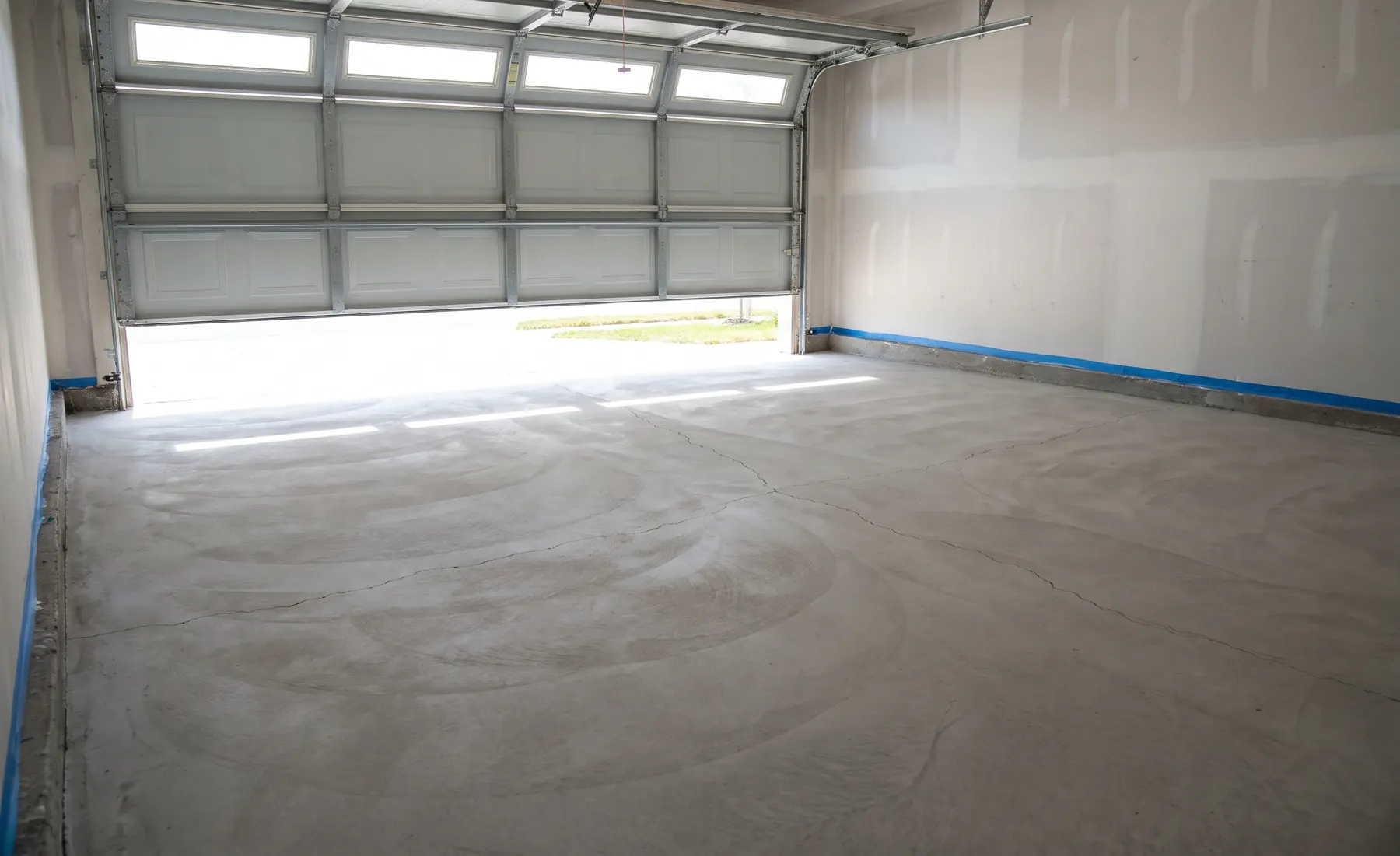
Concrete. The existing floor. The coating bonds to it, so its condition shapes the whole job.
- 2
Diamond grinding. The surface is ground open so the coating can grip, and old sealers or paint come off.
- 3
Crack and pit repair. Cracks, pits and chipped joints are filled and ground flat before any coating goes down.
- 4
Base coat. A pigmented epoxy or polyurea coat rolled over the prepared concrete.
- 5
Flakes. Decorative vinyl chips broadcast into the wet base coat for color, texture and grip.
- 6
Clear topcoat. A clear polyaspartic or urethane layer that seals the flakes and takes the wear.
How Pro Epoxy USA works
- 1.0
Tell us about the floor
The space, roughly how big, what’s on the floor now and the finish you like. It takes about a minute.
- 2.0
We pass it to a local contractor
Your request goes to an epoxy floor contractor who works in your area. You don’t have to call around or fill out five forms.
- 3.0
Get your quote
The contractor contacts you, asks what they need to know about the floor, and prices the job. You decide if and when to go ahead.
Questions, answered
What does Pro Epoxy USA do?
Pro Epoxy USA is a free service for people who want a coated floor: a garage, a basement, a patio or pool deck, or a shop or commercial floor. You fill out one short form about the floor and the property, we pass it to an epoxy floor contractor who works in your area, and they contact you with pricing. We don’t install floors ourselves, and you’re never charged for using the site.
How much will my epoxy floor cost?
It depends on the size of the space, the condition of the concrete and the system you pick. Grinding, crack and pit repair, removing an old coating, the number of coats and the finish (flake, metallic or solid color) all move the number. A contractor can price it once they know those details, which is what the form is for.
What’s the difference between epoxy, polyaspartic and polyurea?
They’re all floor coatings that bond to concrete. Epoxy is the classic base coat and is often used for metallic and solid-color floors. Polyaspartic and polyurea coatings are often used as base coats and clear topcoats in flake systems, and many installers like them for UV stability around garage doors and outdoors. Most coated floors use more than one product. The contractor will tell you what they recommend for your floor.
Flake, metallic or solid color: which one should I pick?
Flake (also called chip) floors hide dust and small imperfections and add texture, which is why they’re the usual pick for garages. Metallic epoxy has a swirled, marble-like look that suits basements, showrooms and living spaces. Solid color is clean and simple, and common in shops and commercial spaces with painted safety lines. Pick “Not sure yet” on the form and the contractor can walk you through it.
Can a floor with cracks, stains or an old coating be done?
Usually, yes. Most cracks, pits and chipped joints are filled and ground flat during prep, and old paint or peeling coatings are ground off. Describe what’s there now on the form, and add a few photos when the contractor asks. They’ll tell you what the floor needs.
What should I have ready before I ask for a quote?
The size of the space (a one-, two- or three-car garage, or rough square feet), a few photos of the floor as it is now, whether there’s an old coating or sealer on it, the finish you like, and when you’d like it done.
What if my area isn’t listed?
Send the request anyway. Pro Epoxy USA takes requests from anywhere in the United States. Tell us the ZIP code so the request reaches a contractor who works there.
Do I have to hire the contractor?
No. The quote is free and there’s no obligation. You decide if and when to go ahead, and any agreement is between you and the contractor.
Get a real price for your floor.
One short form. Fill it out to get pricing from a local contractor.